
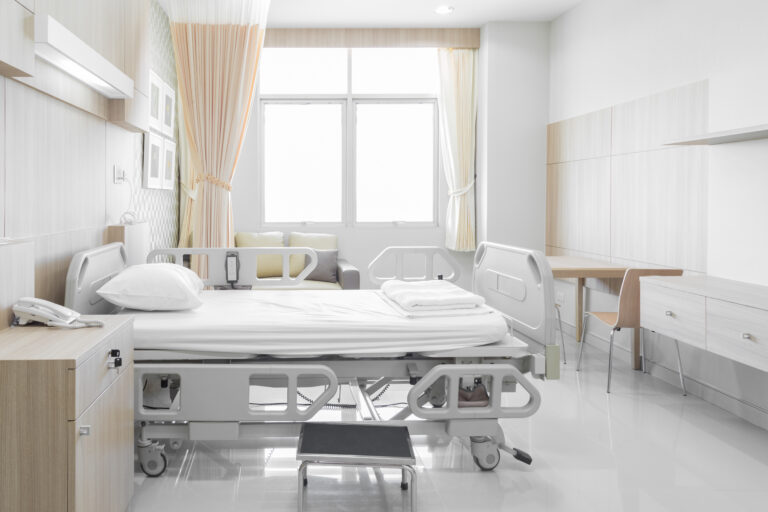
Harmful pathogens are a major concern in healthcare facilities worldwide, putting patients at risk and increasing the burden on healthcare systems and their communities.
The CDC estimates that 1 in 31 patients in hospital facilities are affected, and more than a million cases are reported across the U.S. healthcare system every year resulting in 99,000 annual patient deaths. Direct medical costs for hospitals exceed $28 billion annually.
According to the National Library of Medicine, “Hospital acquired conditions, are in fact one of the main problems in terms of morbidity, mortality, and costs that public health is currently facing.”
Improper and inadequate disinfection techniques can play a significant role in the transmission of harmful microorganisms. As the CDC explains, environmental contamination in healthcare settings plays a role in the spread of pathogens. Therefore, environmental cleaning is a fundamental intervention for surface hygiene.
Leapfrog Puts a Spotlight on Disinfection Protocols
In response to published evidence and guidelines on the importance of environmental hygiene, The Leapfrog Group is increasing scrutiny on environmental services, making it imperative that hospital leaders identify and implement the best disinfection protocols.
Historically, Leapfrog has been focused on hand hygiene as a way to decrease HAIs. However, proposed changes currently under review include the development of a new standard around environmental hygiene. This update is the first emphasis the organization has put on surface disinfection, bringing public attention and transparency to disinfectant solution efficacy.
The Limitations of Common Disinfection Methods
In an environment where various microorganisms coexist, maintaining a high standard of cleanliness and hygiene is essential to prevent the spread of infections. However, traditional cleaning and disinfection methods have their limitations.
Traditional Disinfecting Wipes
Wiping down surfaces in medical facilities is standard practice. However, despite every effort, an alarming number of surfaces are not properly disinfected during manual cleaning. As the AJIC reported, only 40% of near patient surfaces are being cleaned in accordance with existing hospital policies. Manual cleaning efficacy is impacted by everything from staffing turnover to thoroughness and product, making it difficult to ensure the consistent, high-quality results that hospitals demand.
Disinfection with Ultraviolet Light
Modern solutions like ultraviolet (UV) and UVC light disinfection offer more advanced, chemical-free technology that harnesses the germicidal properties of UV light to inactivate harmful pathogens. This technology is more effective than manual cleaning, eliminating 97.7 percent of pathogens in operating rooms, according to the American Journal of Infection Control. However, UV solutions leave critical microorganisms unaffected, and indirect surfaces remain unattended, creating contamination opportunities in critical hospital treatment areas.
Fogging with Hydrogen Peroxide Solutions
Similarly, fogging technologies using hydrogen peroxide-based solutions have underscored the limitations of tech driven cleanliness as the harsh chemicals can harm equipment and require extended room closures to settle and dissipate, leading to downtime in busy hospitals. More importantly, the method is not universally effective against all pathogens, which can leave some microorganisms behind, perpetuating the risk of hospital-associated infections.
Introducing Nevoa’s Nimbus HOCL Fogging Technology
Advanced disinfection solutions like Nevoa’s Nimbus ultra-fine HOCL atomization technology provide improved disinfection outcomes, reduce labor costs, and ensure consistent results. By integrating such methods, hospitals can minimize the risk of surface contamination, safeguard patient and staff health, and optimize resource allocation.
Powered by Nevoa’s proprietary microburst solution, this automated, hands-free surface disinfection solution eliminates manual variability with zero cross-contamination risk. Specifically, hospitals benefit from:
A product with no expiration date due to its patented mixing cap
A solution with EPA registered efficacy of LOG 4-6
A pH neutral and less corrosive solution
An environmentally safe and responsive cleaning commodity
A data-driven disinfection protocol with bar-coded bottles for quality control and tracking.
Notably, Nimbus’ HOCL fogging technology allows for immediate room re-entry, so busy hospitals always remain safe, productive, and impactful.
In total, nimbus achieves 300x better disinfection than manual cleaning alone, while relying on 64 percent less labor for terminal cleaning, zero cross-contamination risk, and 30 minutes of labor gained for reallocation.
Efficacy and Impact Matter
The importance of advanced surface disinfection in hospitals cannot be overstated. With the increasing prevalence of harmful microorganisms and the associated financial burdens, there is a pressing need for healthcare facilities to adopt more effective and efficient disinfection solutions. Traditional methods have proven insufficient, while more modern approaches, such as UV light and hydrogen peroxide-based fogging technologies still have limitations.
The Nevoa Nimbus ultra-fine HOCL atomization technology offers a comprehensive solution that provides improved disinfection outcomes, reduces labor costs, and ensures consistent results. By integrating such advanced disinfection methods, hospitals can minimize the risk of surface contamination, safeguard patient and staff health, and optimize resource allocation.
As the healthcare industry continues to evolve, the adoption of advanced surface disinfection technologies like Nevoa’s Nimbus will be crucial in maintaining the highest standards of cleanliness and environmental surface hygiene, ultimately improving the overall quality of patient care.